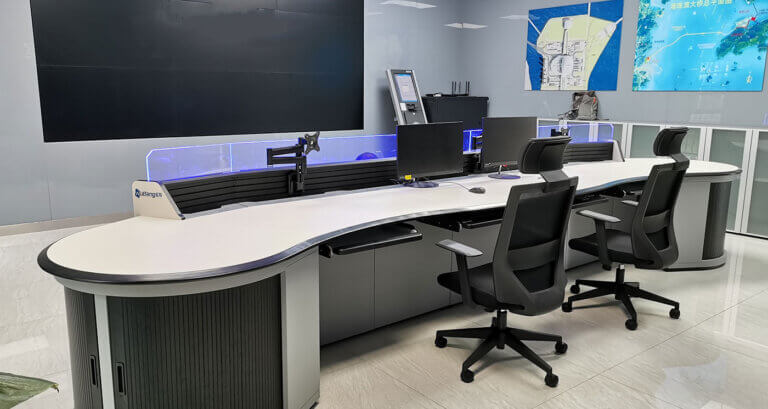
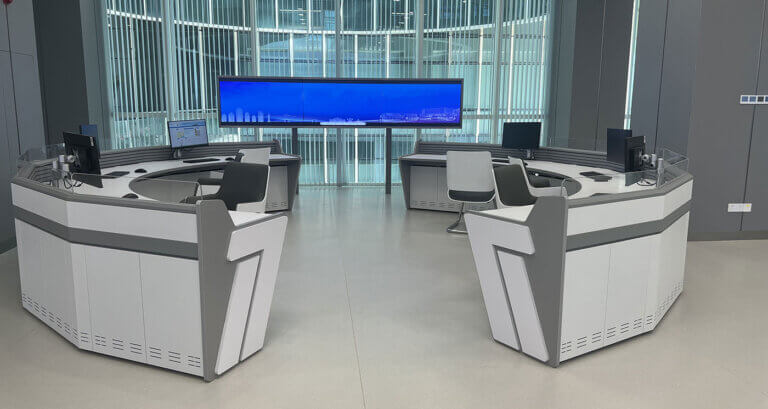
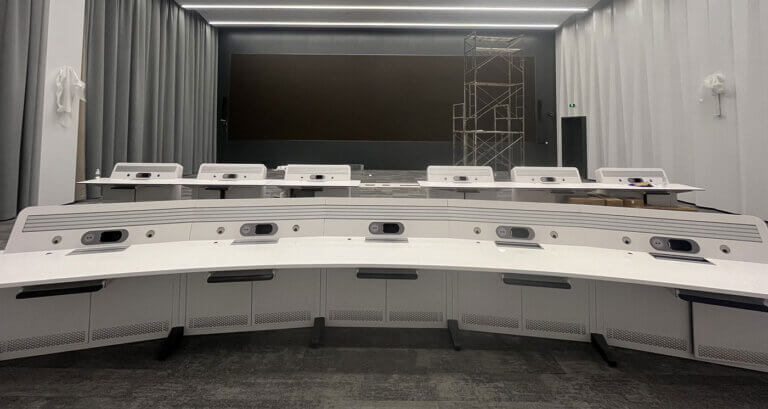

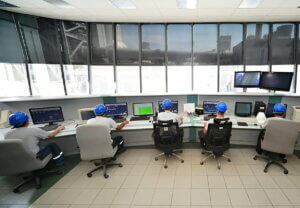
A police control room, sometimes called a dispatch center or command center, is the central space where 911 calls and other emergency communications are received and processed. It’s staffed 24/7 by trained call takers, dispatchers, and supervisors.
When a 911 call comes in, the call taker gathers vital details – the location, nature of the incident, weapons involved, injured parties, suspects, etc. That information is relayed to dispatchers who send out officers. Dispatchers also communicate with officers via radio as an incident unfolds.
The control room coordinates all of this – allocating the right resources to emergencies based on severity, keeping officers updated, logging all activities, and maintaining a full situational picture. Think of it as mission control for police departments.
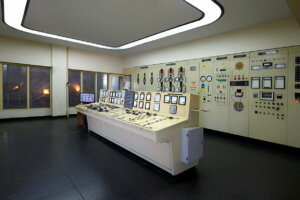
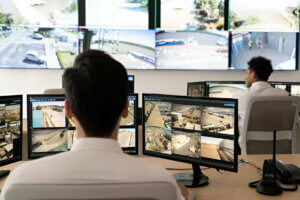
Modern control rooms are packed with technology – computers, radios, 911 systems, mapping software – to intake high volumes of calls and ensure rapid, accurate responses by officers in the field. Large departments may have dedicated rooms for specific functions while smaller locales combine responsibilities into a single room.
Police control rooms handle a wide range of critical tasks:
The exact setup varies between police departments based on size and population served but the function remains handling emergency calls and communication between the public and officers in the field. It’s a complex, high-stakes environment that runs 24 hours a day, 365 days a year.
It takes experienced, specialized staff to keep a police control room running smoothly. Among the critical roles:
Call takers are the first point of contact working phones and 911 systems. Using established protocol, they quickly gather details about incidents to determine the appropriate response. Call takers prioritize emergencies based on factors like threats to life and relay key intel to dispatch personnel.
Dispatchers take the information from call takers and dispatch officers accordingly. They are in constant radio contact with units in the field, relaying updates on evolving situations to coordinate the response. Dispatchers often have the most direct, real-time view of major incidents as they unfold.
A shift supervisor oversees the police control room staff and operations during their watch. That includes making judgement calls on resource allocation and incident priorities. They also compile statistics and metrics on control room performance.
Specially trained IT staff are critical for maintaining the computers, communications equipment, record keeping programs, mapping software and other technology required to run modern control rooms. Some police departments even have dedicated control room IT teams for their unique needs.
Given the critical public safety purpose, police control rooms contain specialized technology and infrastructure for optimal effectiveness under pressure:
The exact mix of technology depends on the size and jurisdiction covered but these core functions need to be met to have an effective police control room operation. And with criminal activity happening 24 hours a day, control rooms must be actively staffed around the clock. Backup power ensures weather events or grid interruptions don’t slow emergency response.
Designing an effective police control room requires balancing many factors from technology infrastructure to user experience.
Here are some of the leading considerations for new facility developments:
All control room roles need speedy access to critical info. Large monitors that centralize key data streams like 911 calls and radio chatter keep visibility high.
Handling back-to-back 911 calls requires specialized acoustic engineering. Sound absorbing surfaces reduce noise allowing for better focus while privacy panels keep calls from bleeding together.
Given the mission-critical jobs, customized ergonomic furniture reduces fatigue by providing proper back and neck support even during 12-hour shifts.
Telecommunicators often work irregular shifts facing screens around the clock. Circadian-friendly lighting adjusting color temperature to match human wake cycles sustains better rest between shifts.
Large equipment plus many bodies make maintaining comfortable, consistent temperature control essential for peak mental and technical performance.
After traumatic calls, having calming rooms to regroup and refocus is invaluable for mental health. Positive spaces give stressed staff outlets to healthily process challenging emotions.
It’s easy to focus on the officers making arrests and responding to scenes firsthand. But the effectiveness of all those officers hinges on the coordination from police control rooms. Their capabilities and capacity have an enormous ripple effect on public safety and justice within communities.
Another key value of sophisticated control rooms is accountability and oversight. Recording all calls and transmissions creates records of interactions allowing quality assurance. Analysis helps enhance training and protocol while documentation protects departments from unfounded liability claims.
Perhaps most profoundly, capable control room infrastructure results in saved taxpayer dollars through maximizing existing resources. Studies show roughly 80% of calls for service can be handled over the phone preventing costly in-person dispatches. And shaving mere seconds off dispatch response translates to less crime and harm.
As emergency communications technology evolves, so do the capabilities and effectiveness of the vital police personnel coordinating it all behind the scenes. While Hollywood glamorizes detectives and special units, control room staff are indispensable for successful modern policing.
So in summary, a police control room is the technology and personnel hub directing rapid, appropriate response to public safety threats based on incoming emergency calls. It’s a hidden layer of infrastructure that’s essential for maintaining law and order across any city, town, or jurisdiction.

 English
  Russian
  French
  Italian
  German
  Japanese
  Korean
  Turkish
  Chinese
  Spanish
  Dutch
Dutch